Educational transformations in Latin America/Learn, Create, Transform
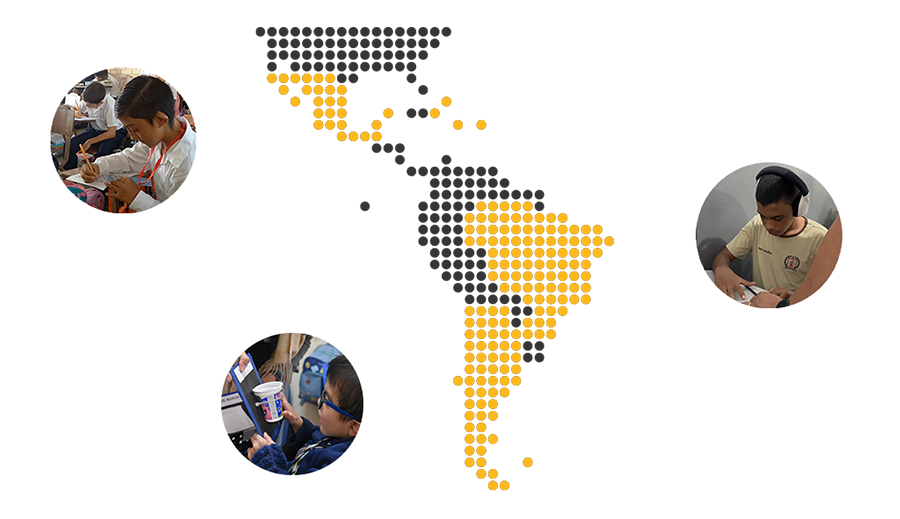
This virtual museum invites visitors to discover how schools, early childhood centers, and educational communities in Brazil, Argentina, and Mexico are reinventing their practices around multiple disabilities and visual impairment. Through real experiences organized into three rooms, visitors are invited to learn about practices, knowledge, spaces, and evidences that are transforming teaching and participation for all students.
Evidence of Action Research in Educational Practice
In this new edition of the Virtual Museum, we propose taking another step forward on the path we began in 2024: not only making our work and learning available, but also involving its protagonists more actively. To this end, the concept of evidence is being expanded and transformed.
While evidence initially allowed us to record and highlight the processes of change, we are now adding the voices, interpretations, and reflections of those who made these advances possible. Theory is connected to practice through stories, pedagogical decisions, materials developed, and resources created in a real context.
This journey is organized around a central research question:
How can we implement actions, strategies, and decisions that promote a sustained process of improvement in the quality of educational services for people with visual impairments, multiple disabilities, and deafblindness?
The productions presented here are part of that search: evidence that not only shows what has been transformed, but also how that knowledge was built together.
ROOM 1
Room 1
Practices in action
This room invites visitors to learn about real-life experiences that are transforming the relationships between students, teachers, families, and communities. These practices originate in classrooms, playgrounds, centers, and everyday encounters, where education is reinvented through dialogue with diversity, collaboration, and shared commitment.
Early childhood literacy
This video summarizes reflections on how inclusion can be built from the earliest years of life. Through experiential literacy proposals, accessible materials, and community participation, a model is put into practice that recognizes the uniqueness of each child.
Building bridges
Supporting the transition to elementary school
Actions reflect a network of inter-institutional and community collaboration that focuses on the right to inclusive education. Experience shows that the transition is not an isolated moment, but a process that requires time, support, awareness, and shared adjustments.
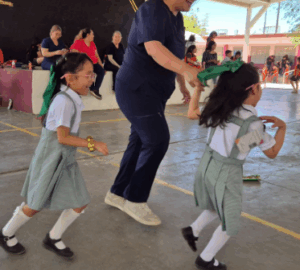
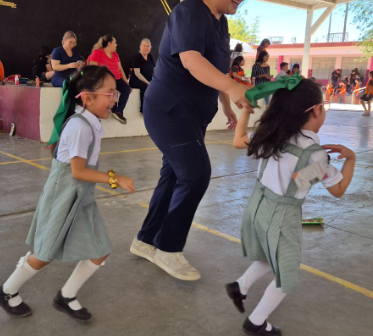
The photographs accompanying this record tell the story of Natalia María, capturing the significant moments of her transition process: the encounters, the adapted materials, the spaces visited, and the expressions of those who participated. Each image bears witness to a step forward in the construction of accessible, empathetic, and continuous educational environments
An experience that transforms practice
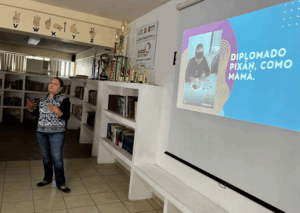
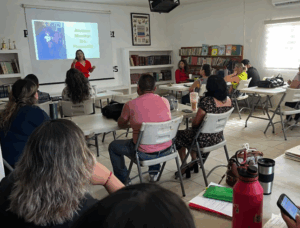
This experience reflects a process of intentional change in teaching practices. Based on collective and reflective analysis, the team decided to focus their pedagogical decisions on developing communication and active student participation.
Stories you can touch
Mothers paving the way for inclusive reading
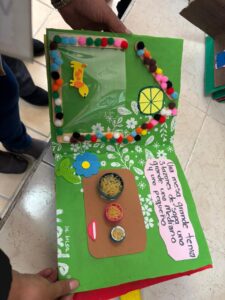
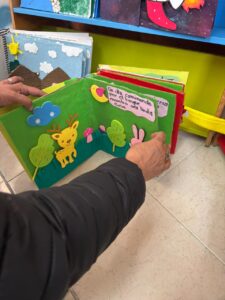
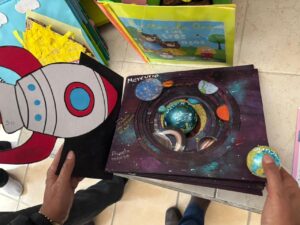
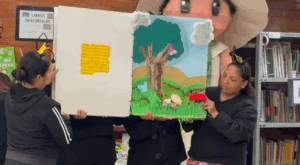
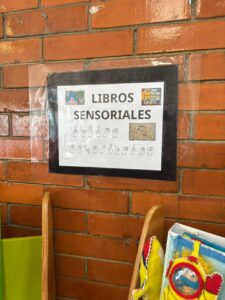
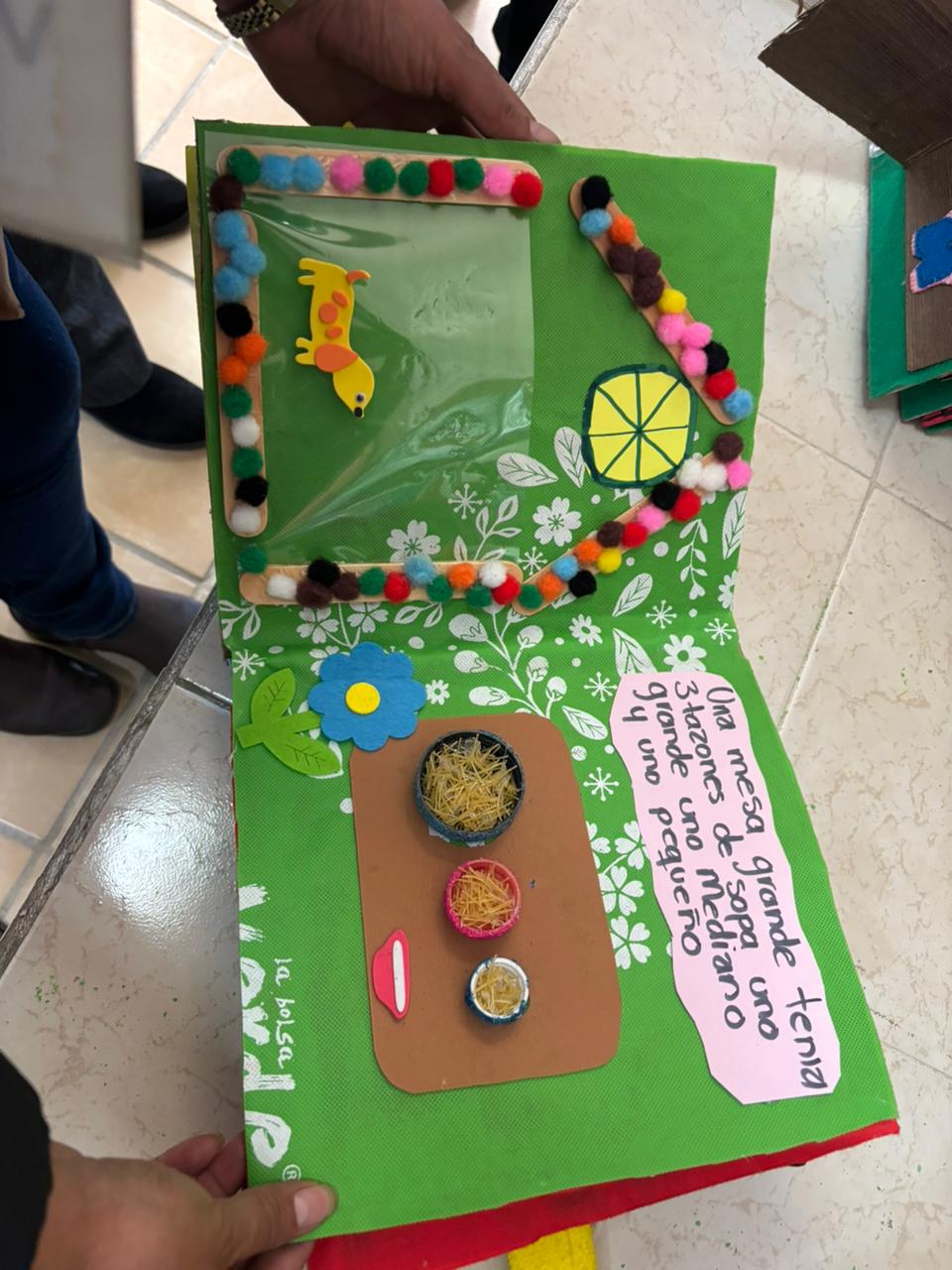
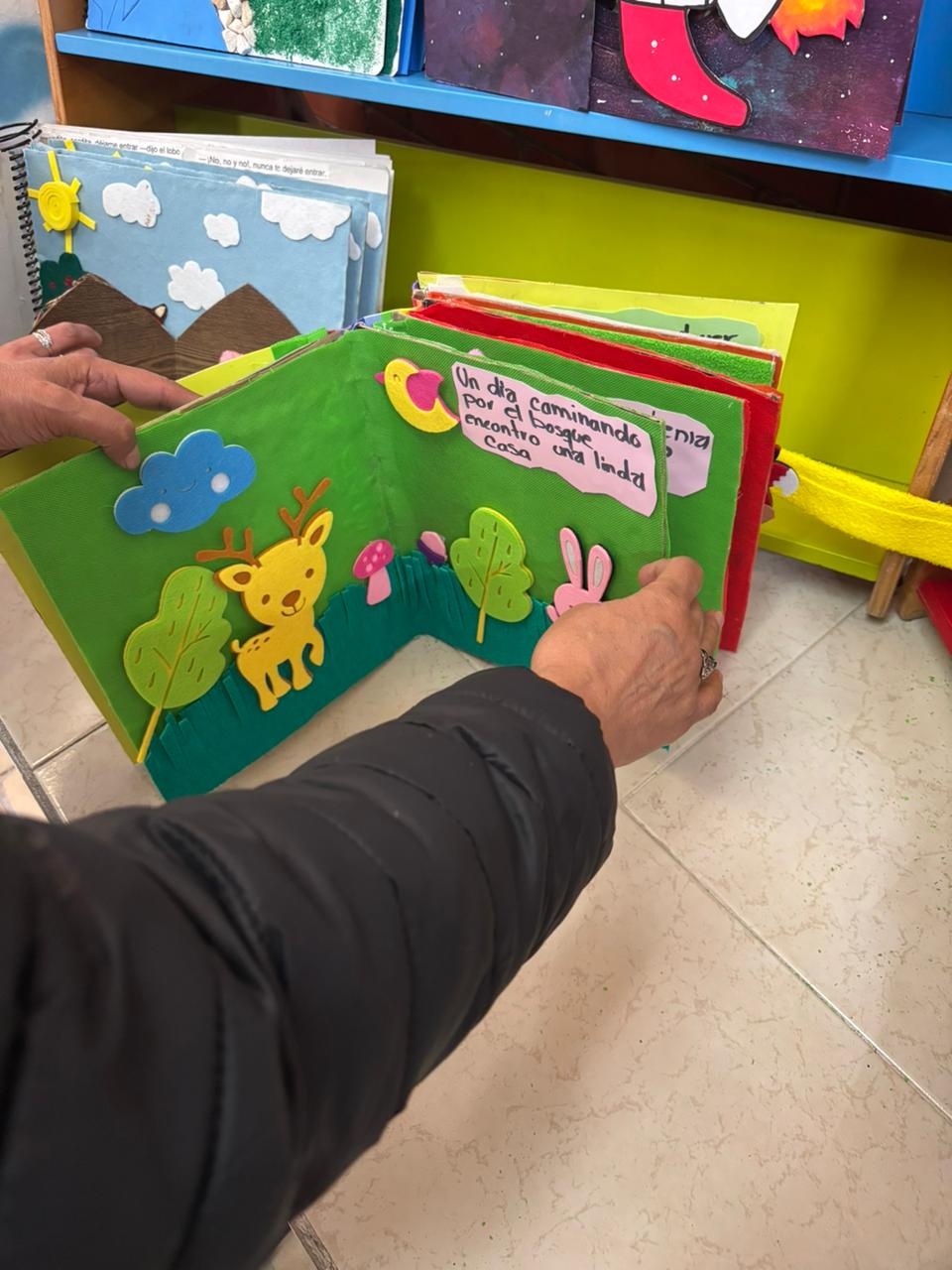
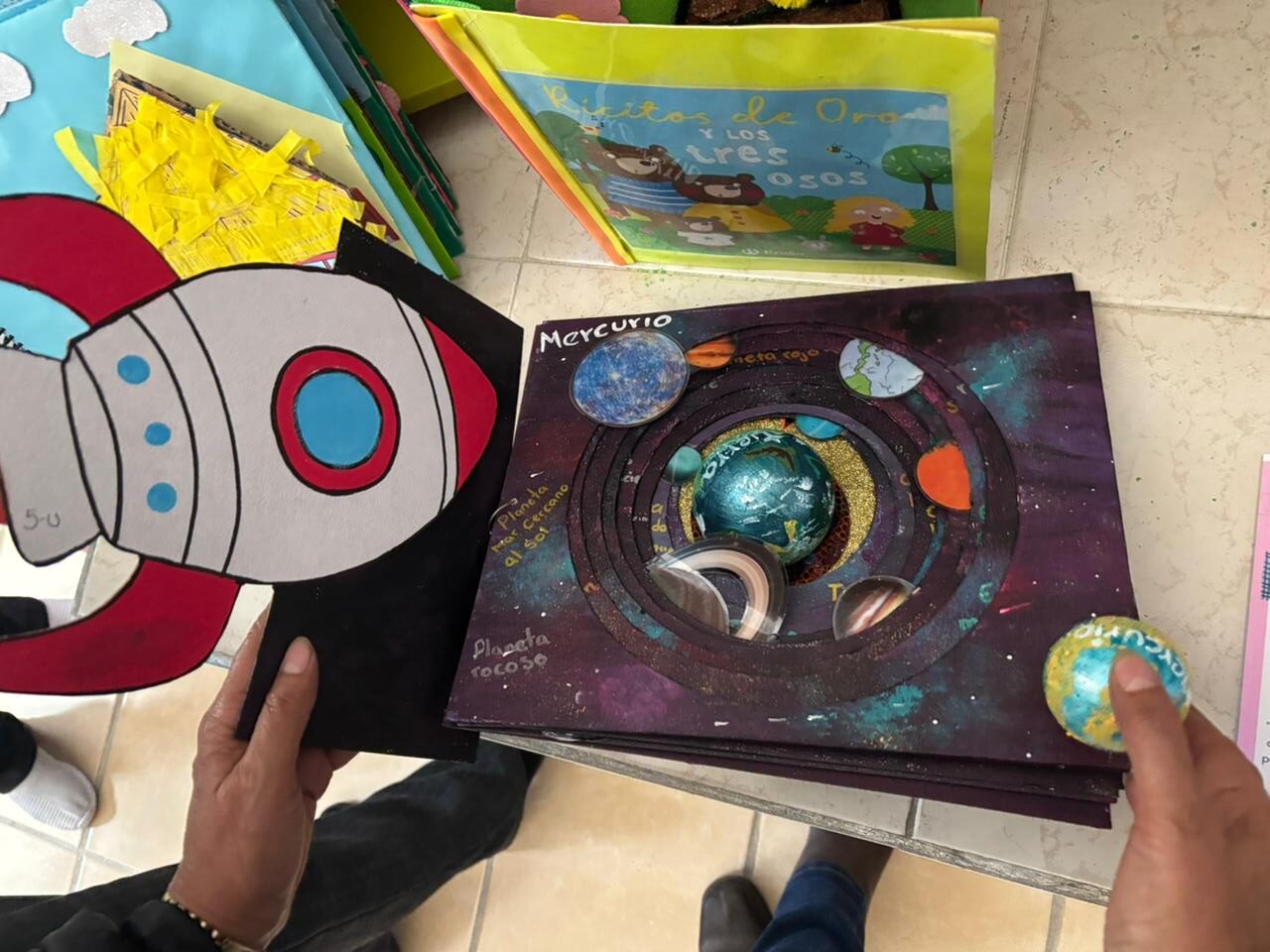
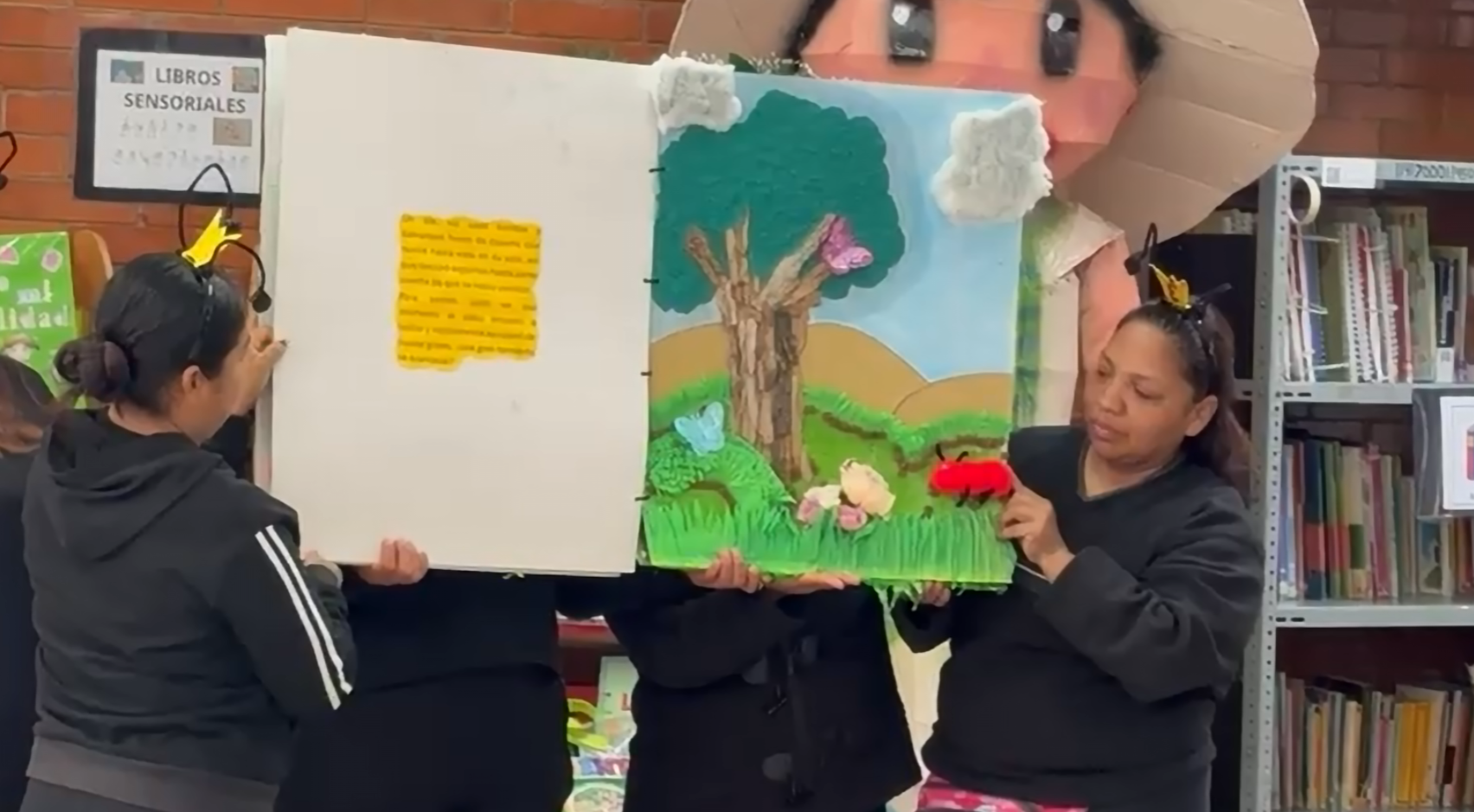
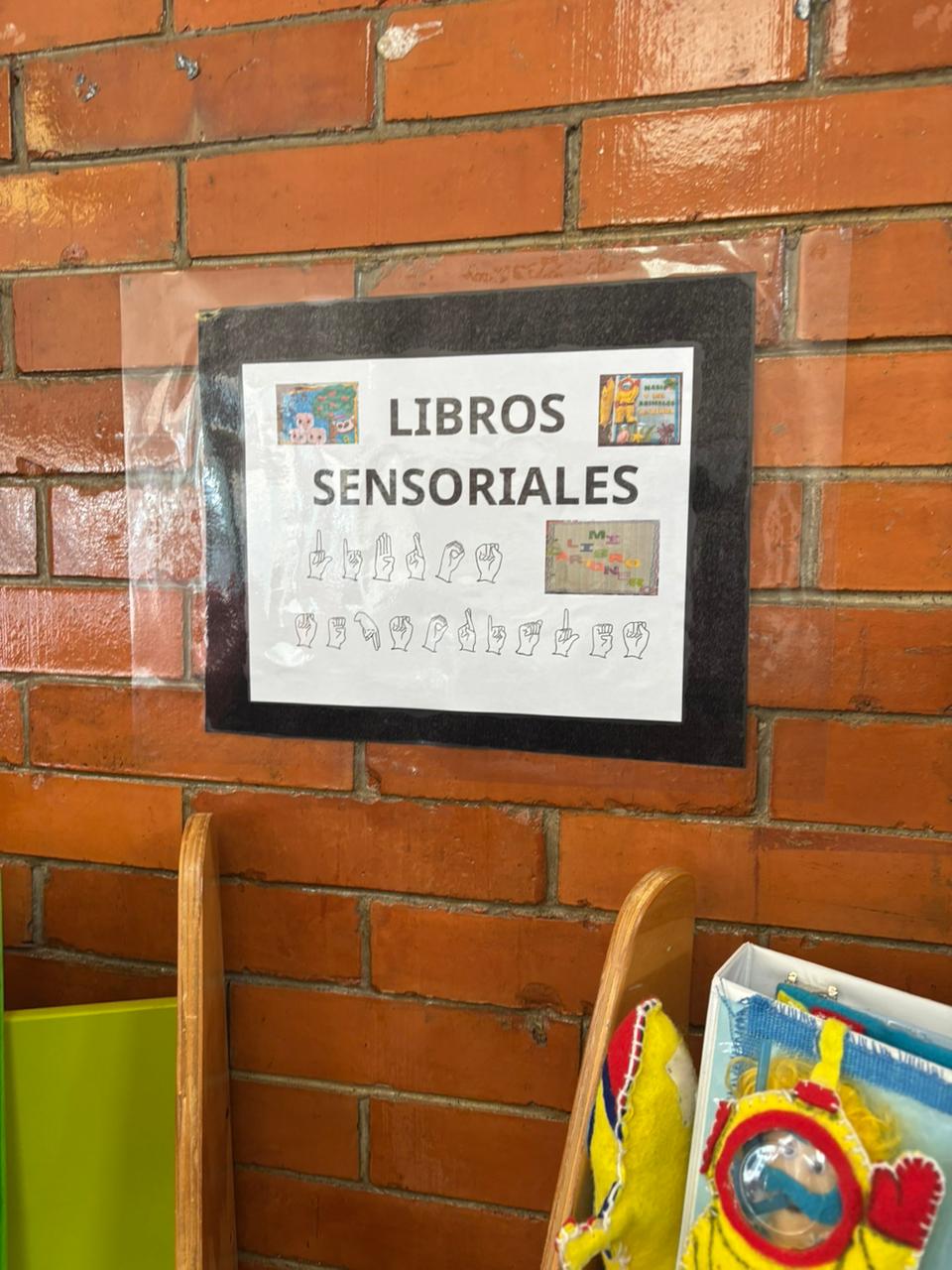
This gallery presents experiences in which reading becomes a multisensory experience.
Through the co-creation of books with tactile resources, mothers collaborate in learning through sensory exploration. The school space becomes a space for innovation, where stories are touched, looked at, and imagined.
Each page symbolizes collaboration, creativity, and accessibility: a way of learning with the hands, mind, and heart.
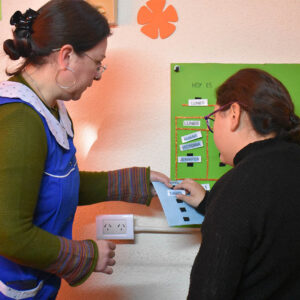
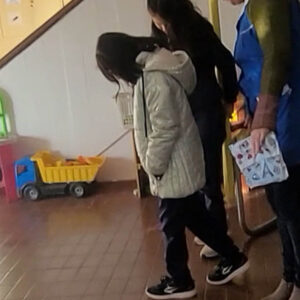
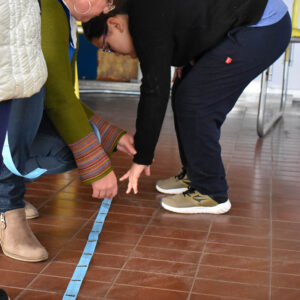
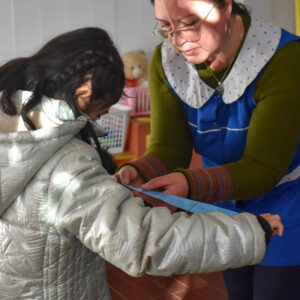
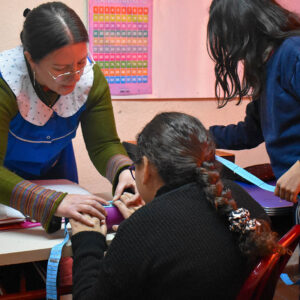
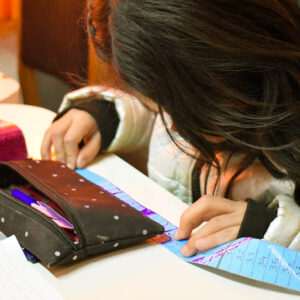
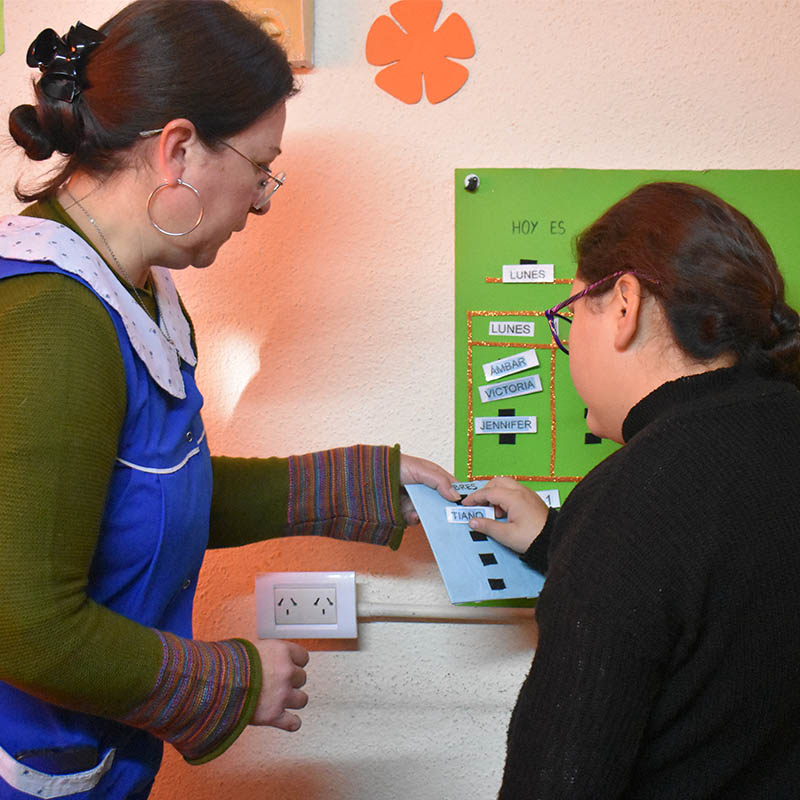
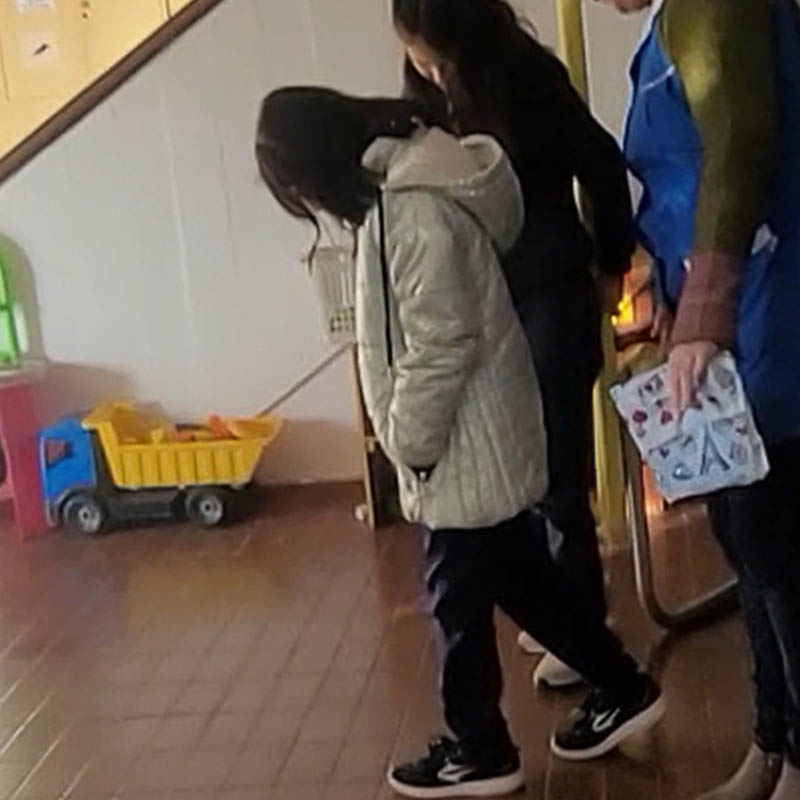
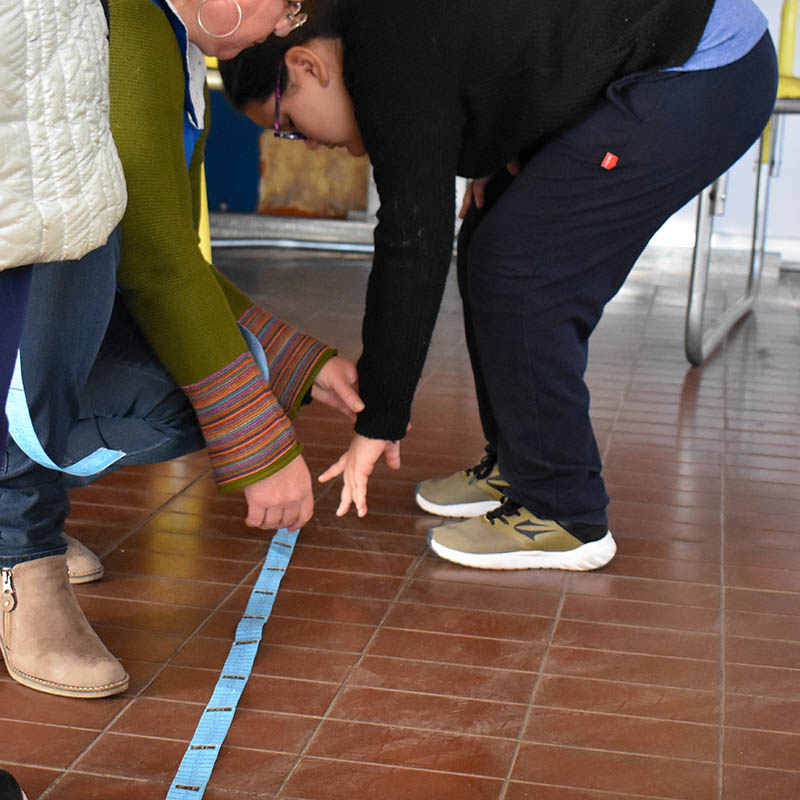
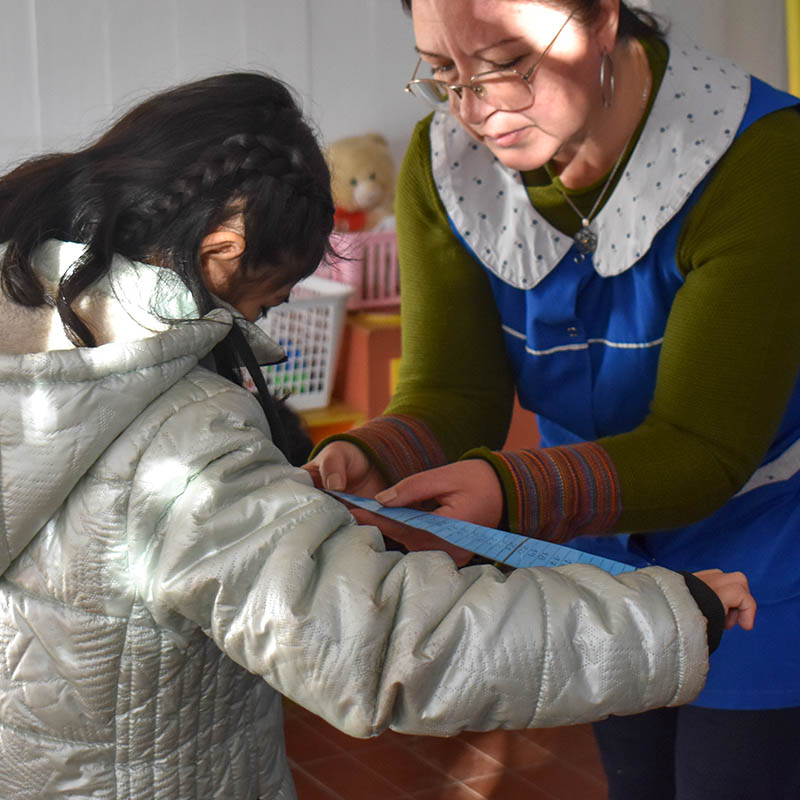
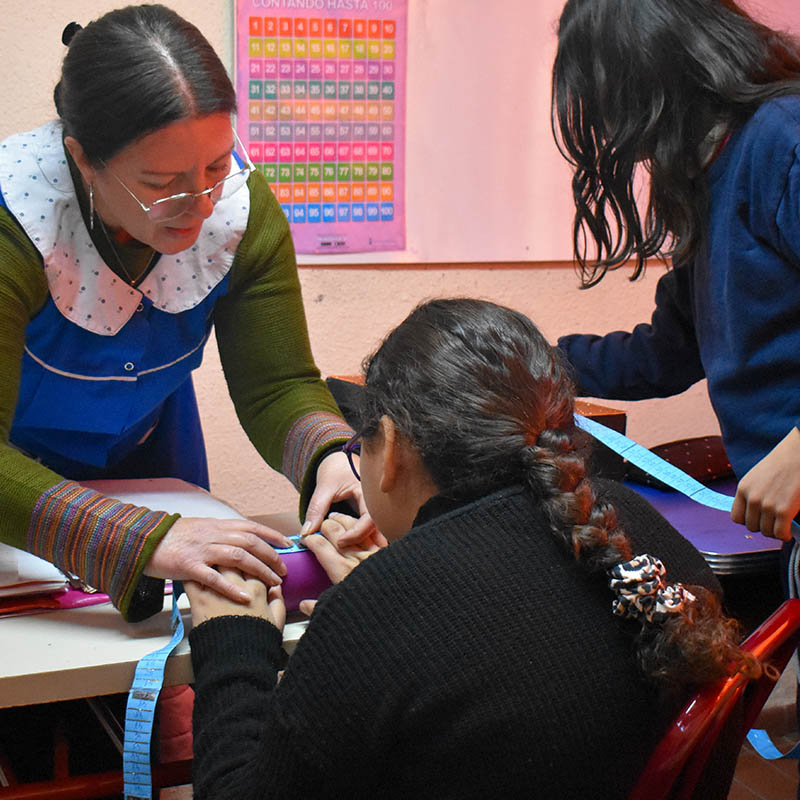
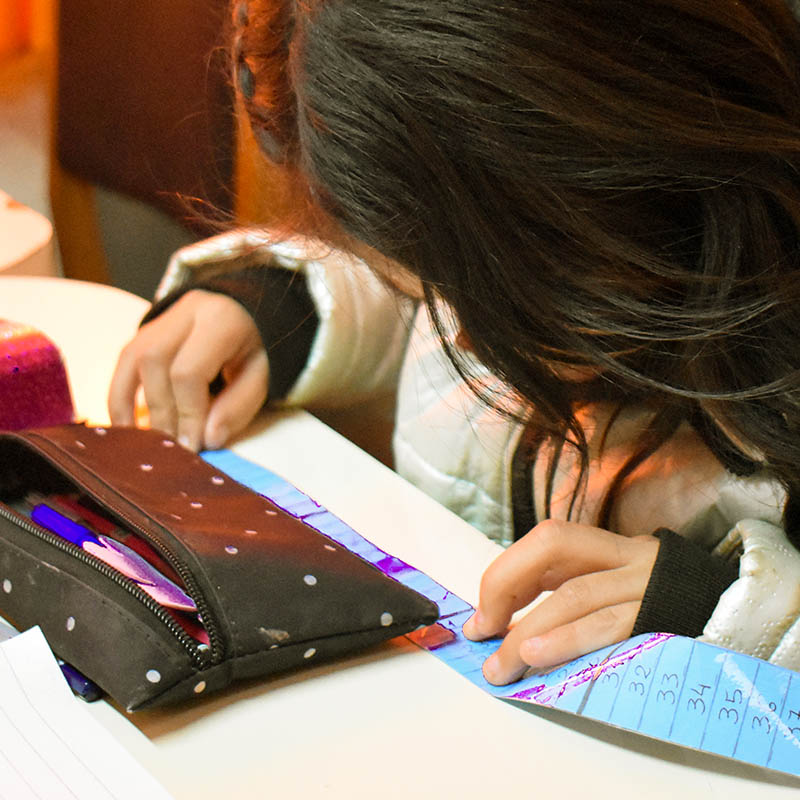
We explore measurement with our bodies, objects and the environment
This sequence records how, based on the anticipation of the instructions, students explore the concept of measurement first with their own bodies, then with specific materials and finally in real space
The proposal combines prior verbalisation, sensory experimentation, manipulation of resources and problem solving in context, promoting meaningful construction of the concept.
Mexico
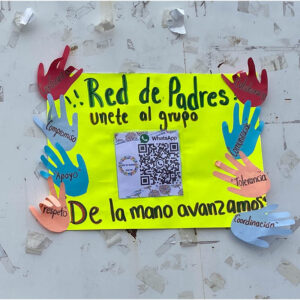
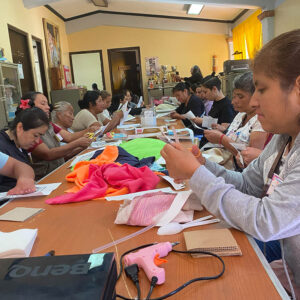
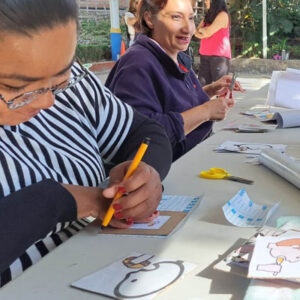
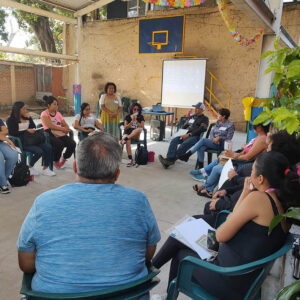
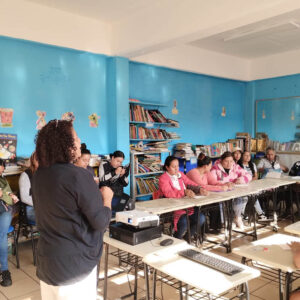
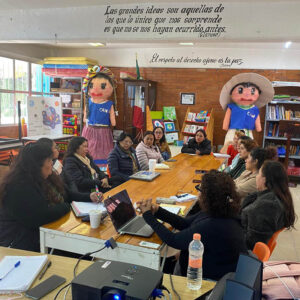
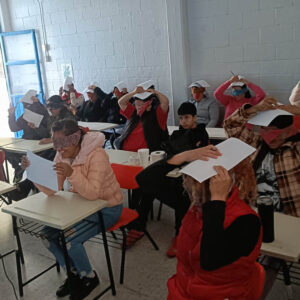
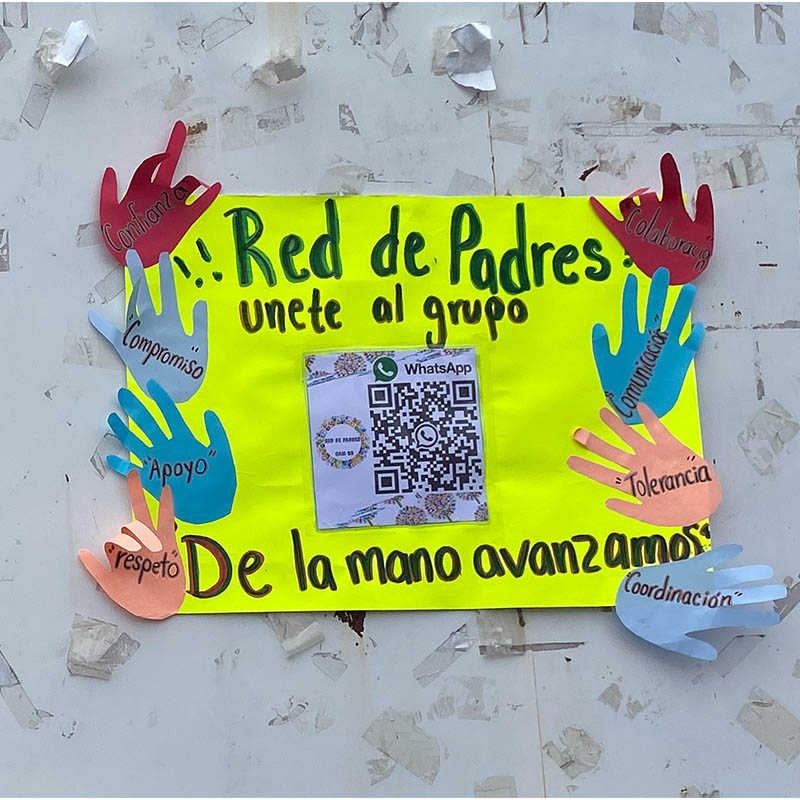
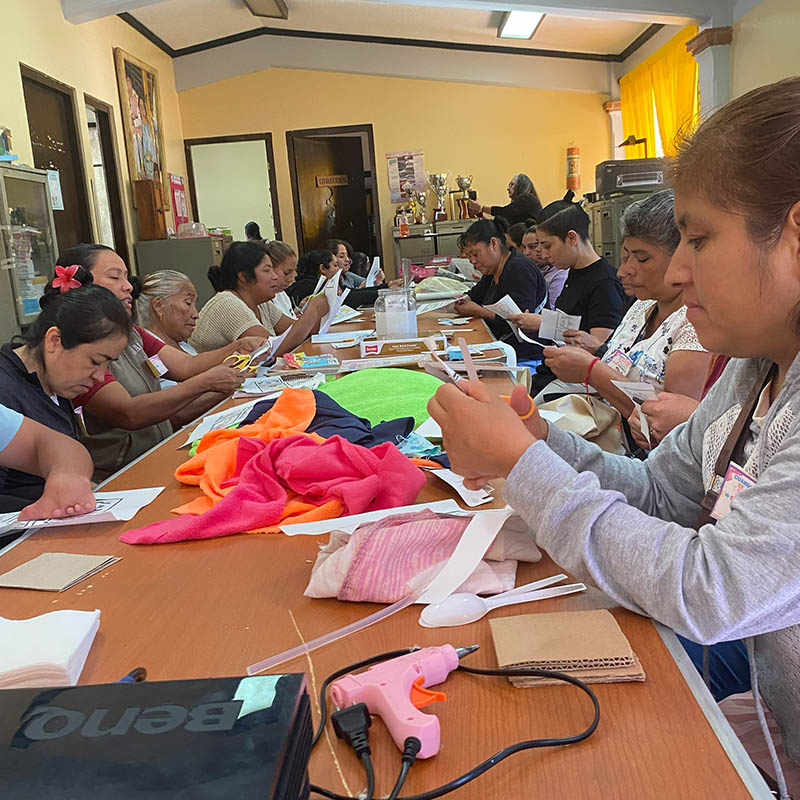
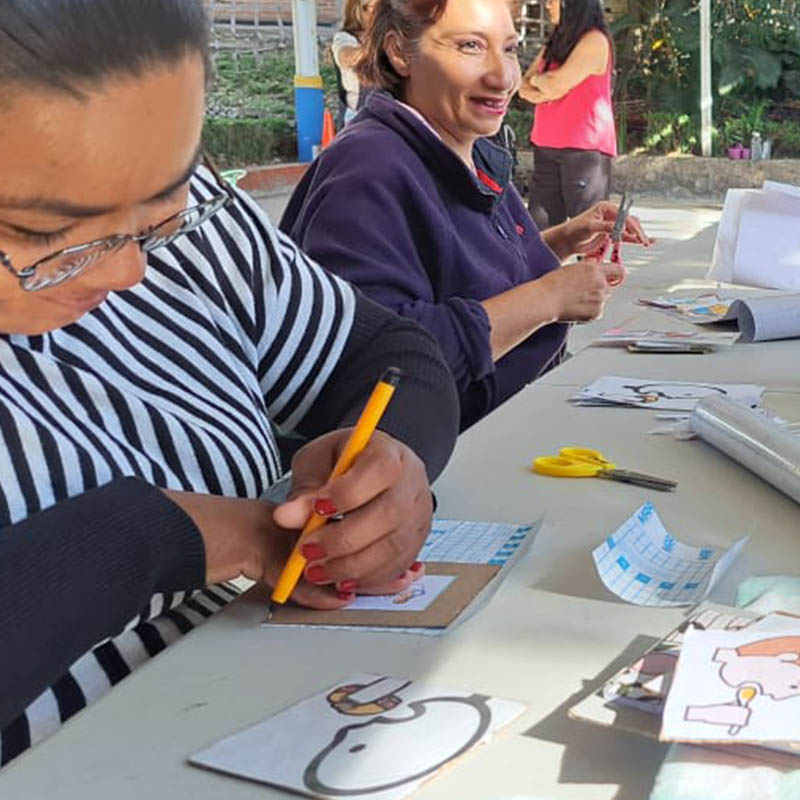
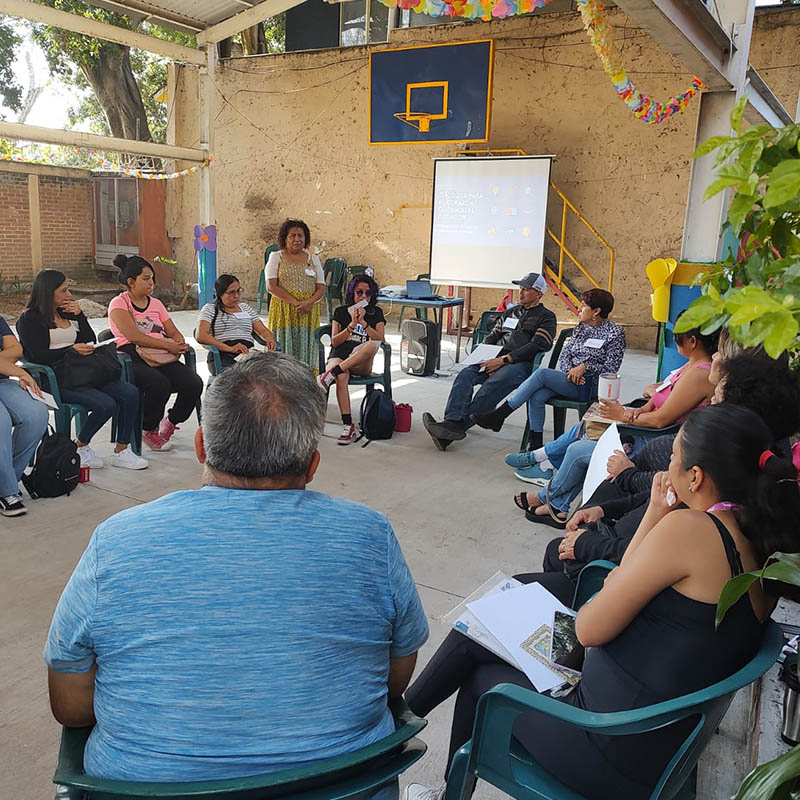
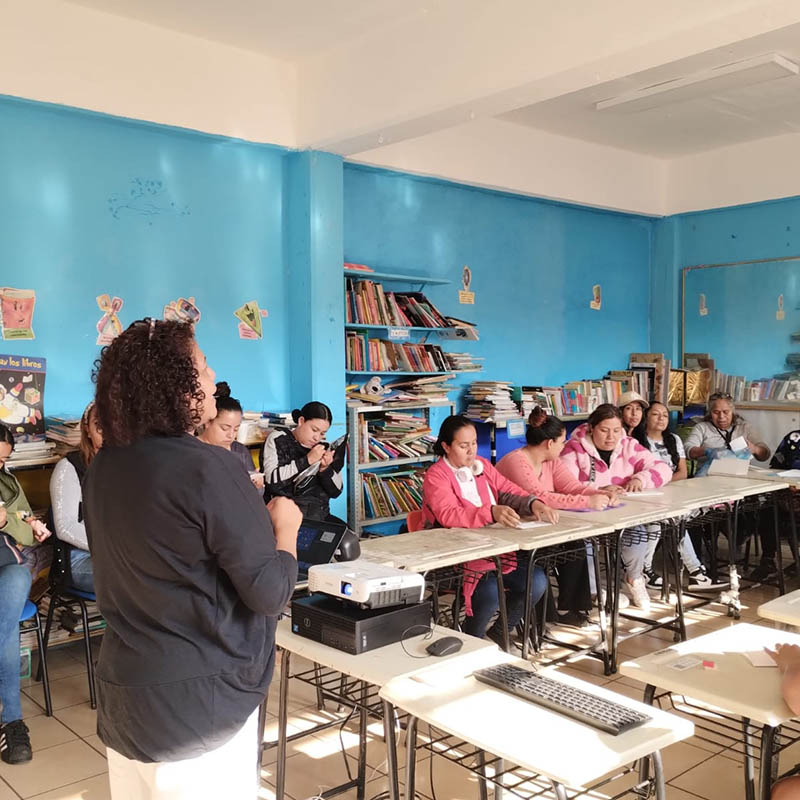
Working with families in Mexico
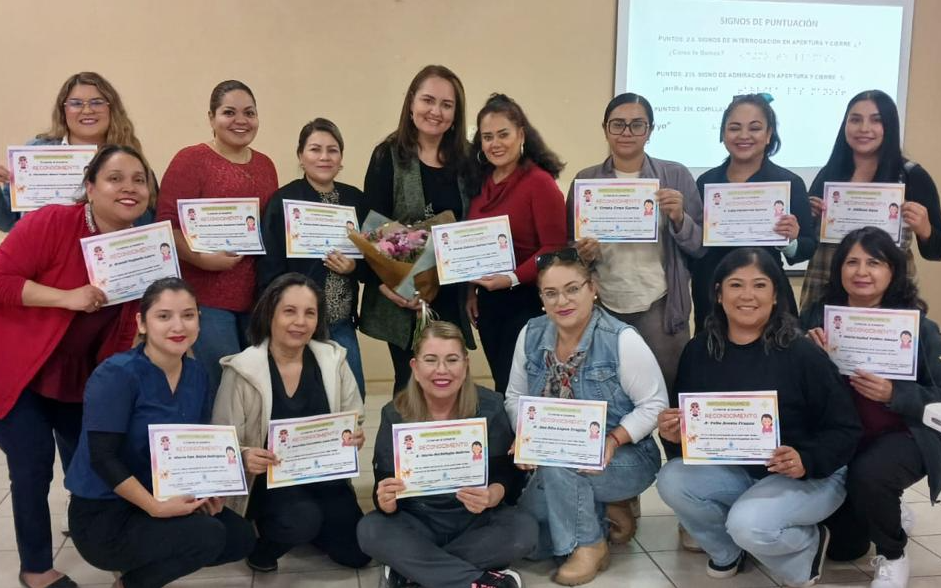
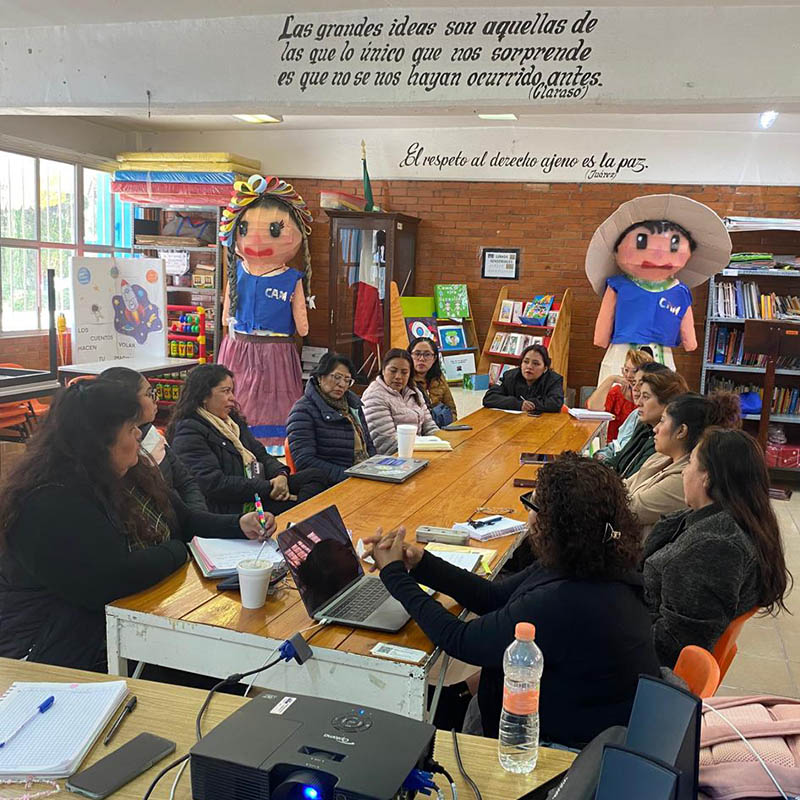
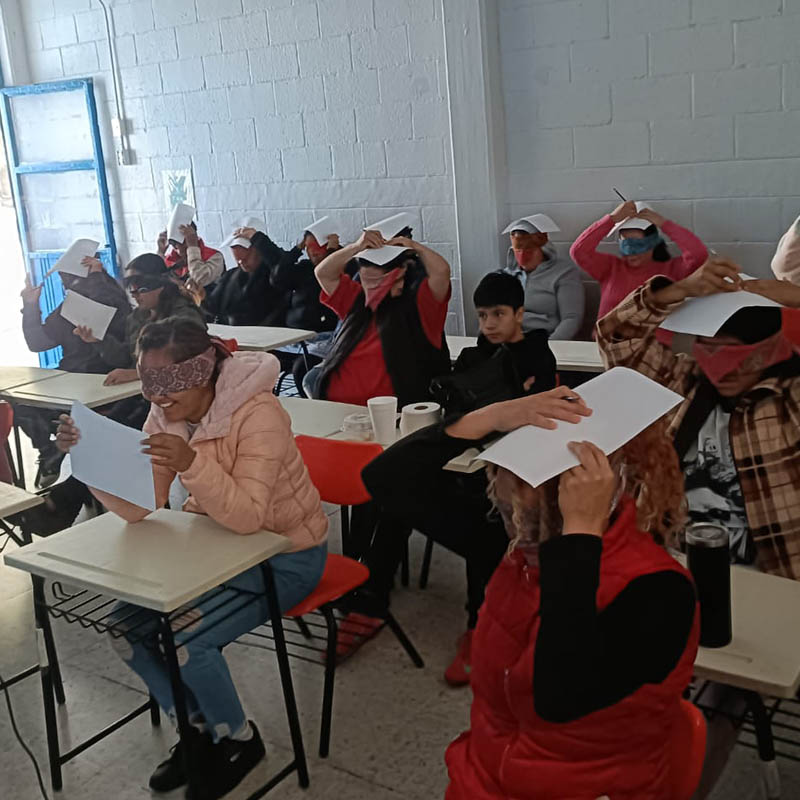
This gallery presents experiences that reflect how families, together with schools and communities, recognise themselves as part of a shared commitment to building inclusion.
From the search for horizontal dialogue—between families, management teams, and teachers—actions emerge that strengthen participation and transform school practices.
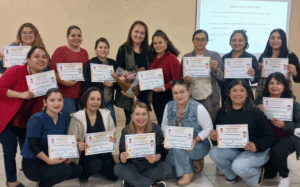
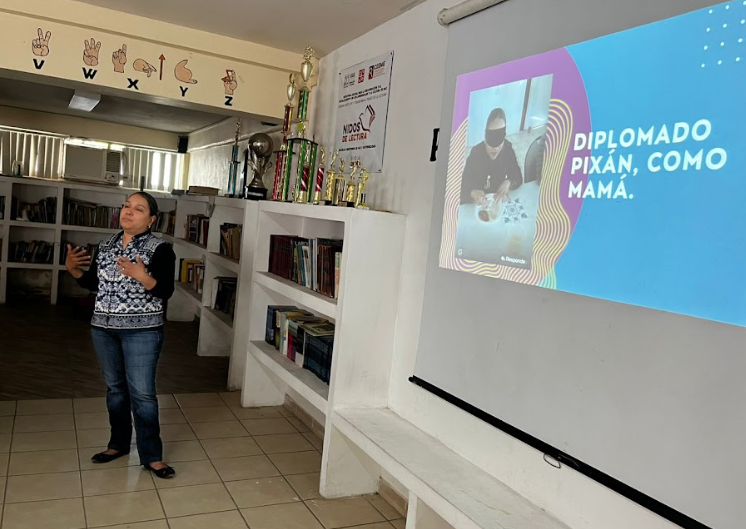
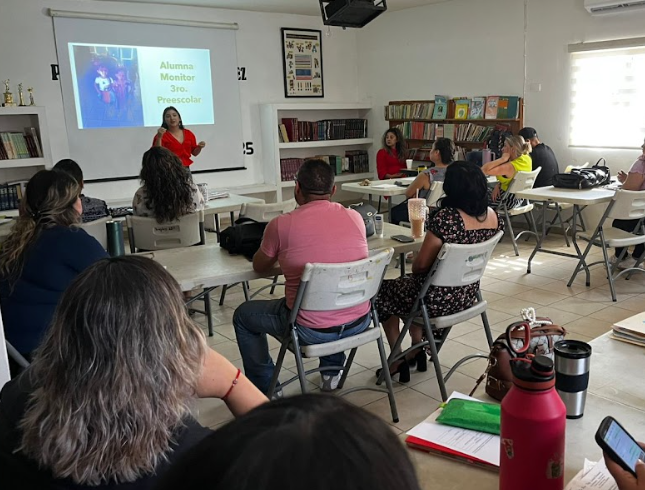
The images show a process in which families become a driving force and pressure for change. Through training, awareness-raising, and the promotion of leadership, increasingly inclusive educational spaces are promoted
Brasil
Families building inclusion
At a school in Brazil, working together with Perkins helped strengthen collaboration between families and the school, recognizing that this partnership is essential for student development.
Through regular meetings and workshops, spaces for dialogue and shared learning were created, giving rise to a committee of families of children in the process of inclusion, supported by the school and accompanied by the municipal team.
Evidence of this process shows meetings involving the school administration, the supervisory team, and the lead mother from Abraão Salomão school, reflecting how communication and family commitment can transform school culture.
Sala 2
Reflections, resources, and pedagogical decisions
This room invites you to explore how theory, practice, and experience come together in everyday life. Here you can discover teachers’ reflections on teaching resources and specific pedagogical decisions, as well as student testimonials that shed light on key aspects for creating more positive and meaningful experiences. It shows how knowledge is constructed, strategies are adjusted, and learning is promoted that benefits the entire educational community.
Pedro’s Story
Educational inclusion in action
Support Center for Students with Visual Impairments
The Support Center for Students with Visual Impairments is a space where inclusion is part of everyday life. Here, teaching becomes accompaniment and learning becomes a shared experience.
Testimonial on visual stimulation
México
Model School: Expansion, networks, and resources for inclusion
A model school committed to continuous improvement gains experience over time and strengthens itself with tools that develop collaborative work and deepen reflections on practice. This consolidates a new role: becoming a reference school that shares with other institutions, inspiring inclusion strategies and strengthening the capacity of educational communities to learn together.

From this position, it accompanies other institutions, shares tools, offers training, and promotes exchange among teachers.
Its actions demonstrate that improvement is not a point of arrival, but rather a collective process that expands when knowledge is shared and collaborative networks are woven.
Support for the Sabancuy Kindergarten
At the Sabancuy Kindergarten, the model school CAM 8 Champotón provides formative support that promotes new perspectives on diversity.
Through workshops, joint planning, and observation strategies, the teams learn to recognize each child’s strengths and needs, understanding diversity as a starting point for learning.
These experiences show how collaboration between schools leads to more reflective, professional, and inclusive practices.
Network with the Indigenous Preschool
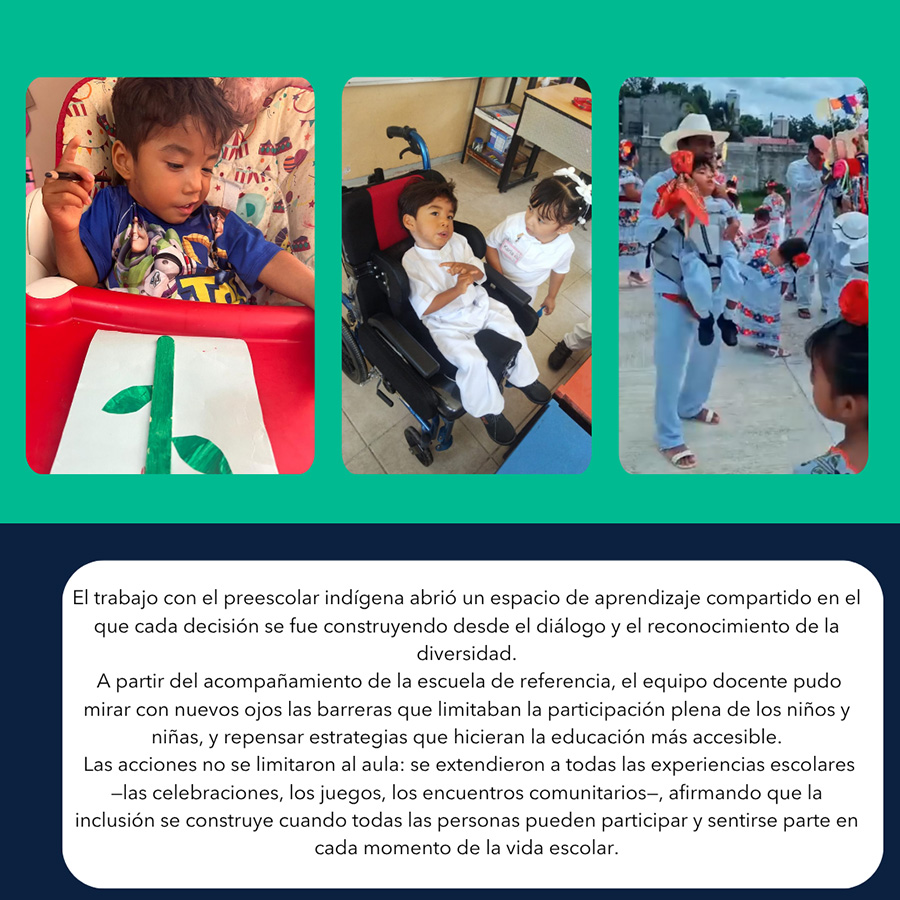
The connection with an Indigenous preschool opens a new dimension of network-based work.
The model school supports diagnostic and awareness-raising processes, collaborating in the identification of barriers and in the creation of more accessible and participatory environments.
The exchange between teaching communities and families strengthens intercultural understanding and expands opportunities for all children to participate in school life.
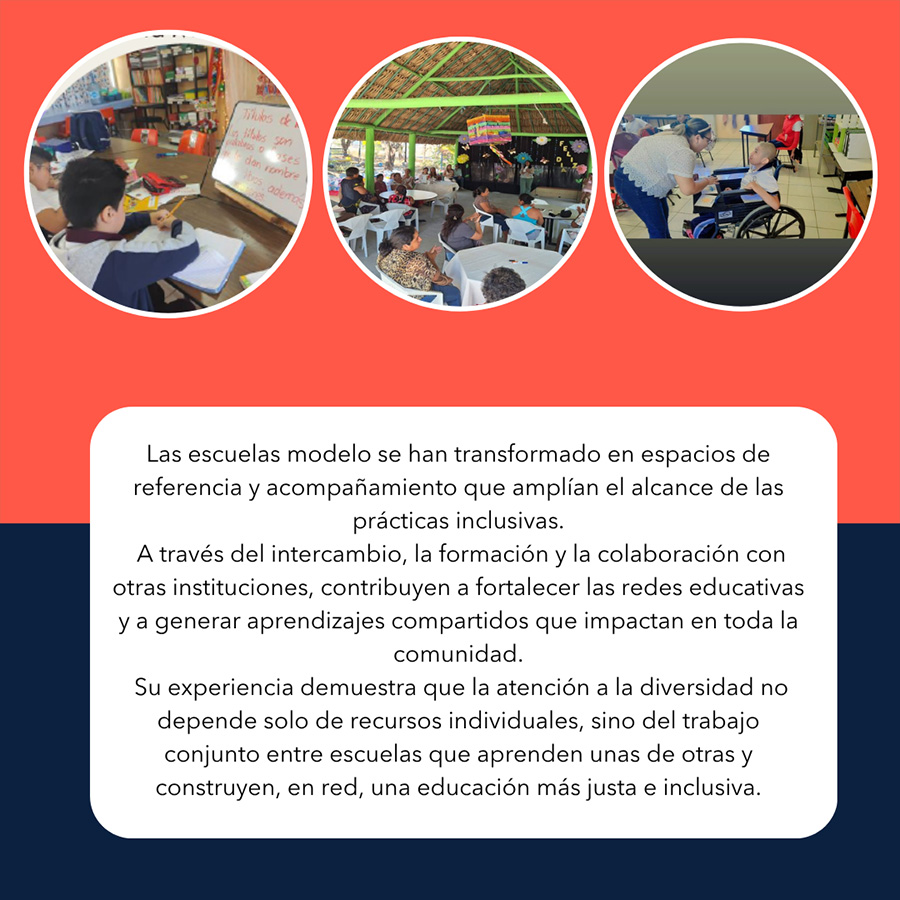
The shared experiences reflect the transformative power of model schools as agents of change. By supporting other institutions, they strengthen local capacities, promote participation, and help build a school culture based on collaboration and inclusion.
Each new network, each exchange, and each shared project broadens the impact of the improvement process, sustaining the regional commitment to an increasingly equitable education.
Sala 3
Spaces and resources that educate
This room invites you to explore how educational designs and environments, by overcoming barriers, become allies of participation and learning. Here are shown examples of accessible spaces and innovative resources that facilitate inclusion and enhance the experiences of all students.
Tours
A tour that shows how methodological strategies and communicative tools enable the full participation of all students
Learning from the Environment
The way space is organized is not just an aesthetic or functional matter: it is a pedagogical decision. A thoughtful, accessible, and stimulating environment can expand opportunities for exploration, communication, and learning, becoming a true ally for educational inclusion.
Puerto de Cuyo, San Luis
Centro de Atención Múltiple 3 de Aguascalientes
Resources to access knowledge
Guaranteeing the right to education implies recognizing the individuality of each student and offering the necessary support so that all can access knowledge under equal conditions.
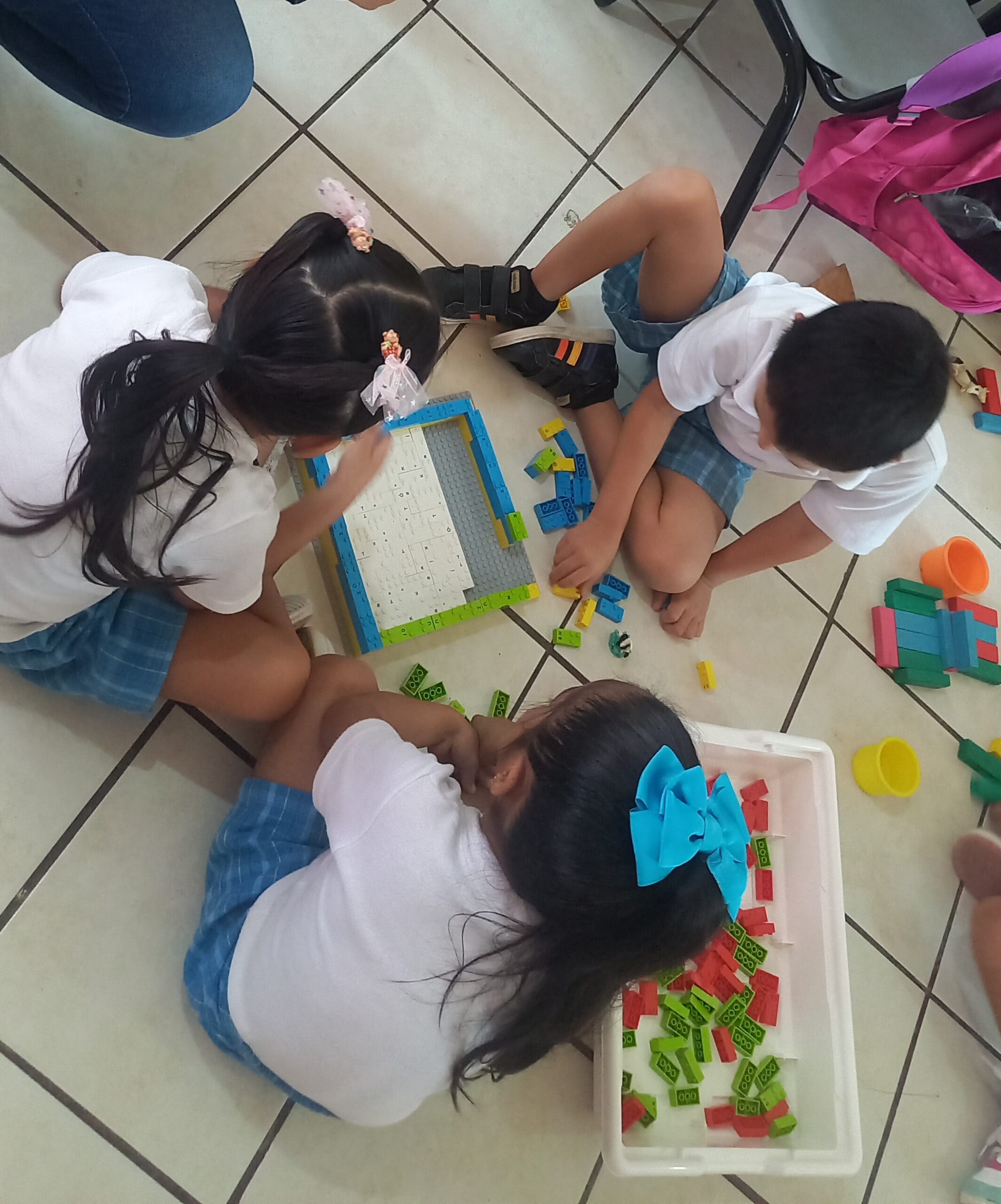
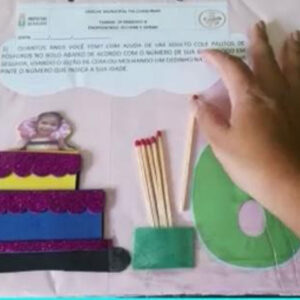
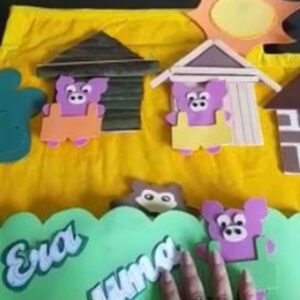
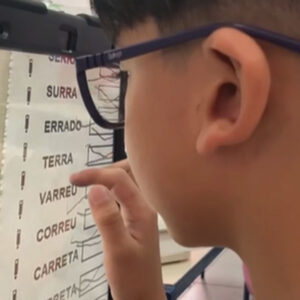
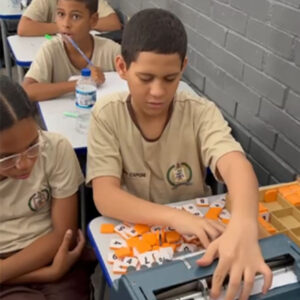
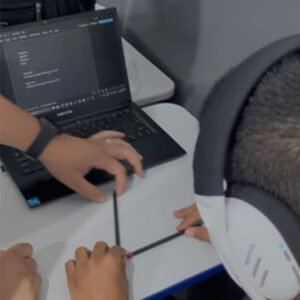
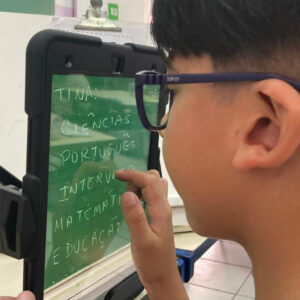
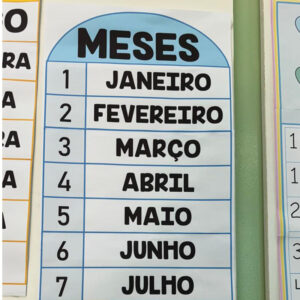
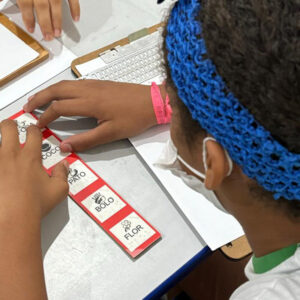
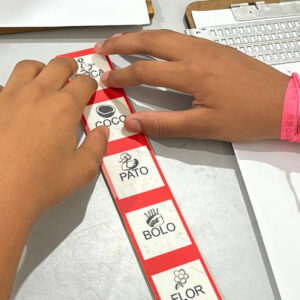
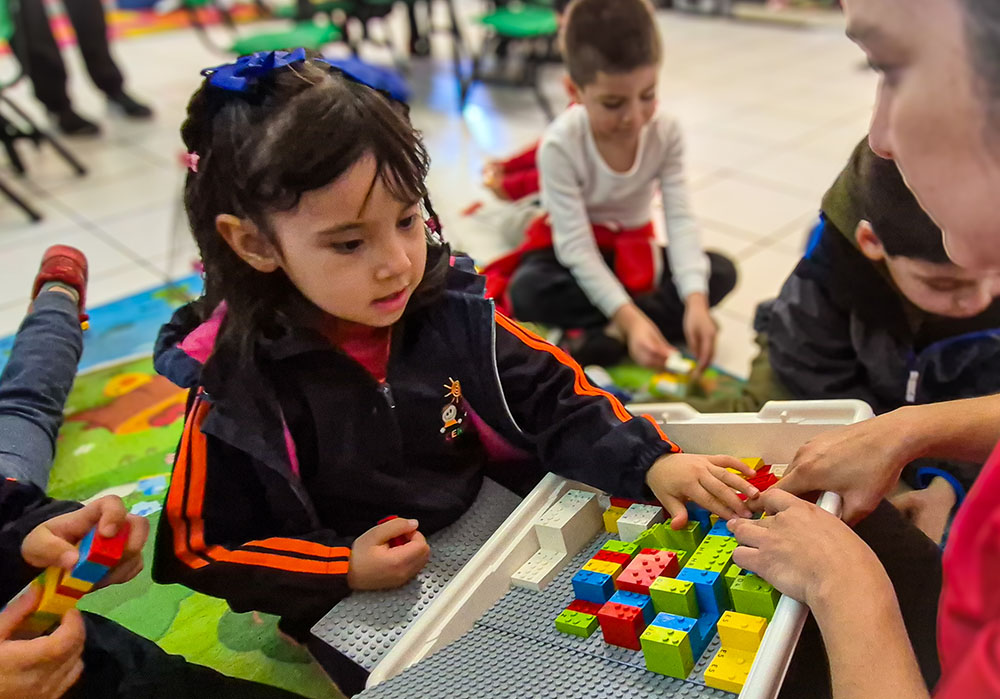
This gallery presents individualized resources that make possible different modes of exploration and learning: stories adapted for tactile recognition, technological support that enlarges images, analog materials that facilitate digital access, and the use of Braille machines.
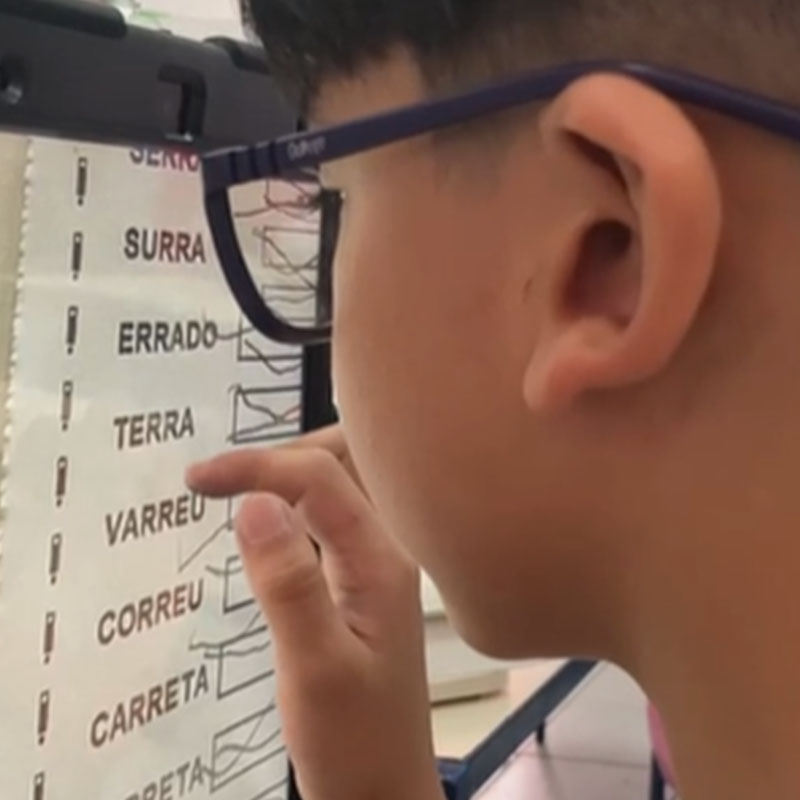
Each of these resources reflects the same conviction: the diversity of pathways to access knowledge enriches the educational experience and strengthens inclusion.
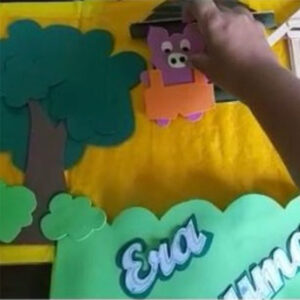
Accompaniment Route:
Working with families in inclusive schools
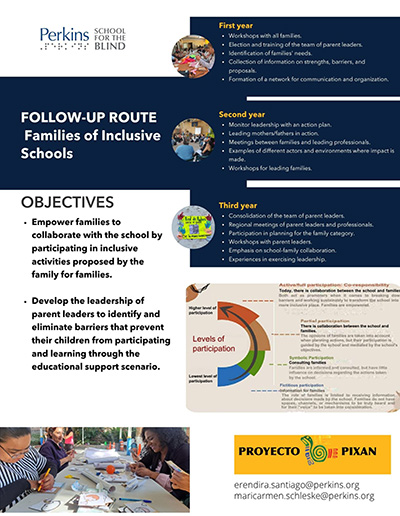
The Accompaniment Route is a methodological strategy built from a space of encounter and shared learning between families, schools, and communities committed to inclusion.
Its purpose is to empower families to actively participate in school life, promoting inclusive actions designed by families and for families.
Through training and accompaniment processes, it seeks to strengthen the leadership of mothers and fathers, promoting their ability to identify and eliminate barriers that hinder their daughters’ and sons’ participation and learning.
This route represents an invitation to collectively build more open, equitable, and inclusive schools, where every voice has a place and every family recognizes itself as an agent of change.
Maria Del Carmen
Schleske Morales
Family Coordinator
Country:
México
Erendira
Dominguez
Family Coordinator
Country:
México
Resources
Throughout the improvement processes developed in different countries, schools and teams have been building their own resources: materials, strategies, and tools that emerge from daily practice and shared learning.
These resources — used in training, workshops, and accompaniment spaces — help to look at scenes with greater depth, identify barriers, and strengthen educational responses.
This section brings together and shares some of these materials, as part of the collective commitment to continue learning and building inclusion from experience.
Behavior
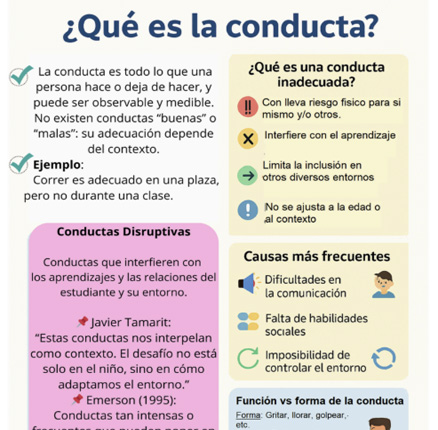
This resource invites us to rethink behavior as a form of communication. Understanding that each behavior expresses a need, an emotion, or an intention that allows us to better accompany each person, identifying supports and strategies that favor their well-being and participation
Calendars
This resource invites us to rethink behavior as a form of communication. Understanding that each behavior expresses a need or an intention allows us to offer adequate support to favor participation and well-being.
Among these supports are visual displays such as anticipation calendars or diaries, choice and communication boards, which help predict, organize, and express what happens in the environment.
Nehuen Picatto
Professor
Country:
Argentina
Evaluation
Within the framework of qualitative evaluation, tools become allies to organize observation, making it more systematic and meaningful. These resources allow us to record and analyze what occurs in educational practice: define learning profiles, understand processes, review videos, and build evidence that guides new pedagogical decisions.
This section presents materials that help strengthen observation as a methodological strategy, focusing on understanding before measuring, and accompanying before classifying.
Andrea Rocha Jove
Professor
Country:
México
Planning
Planning is a key tool to guarantee quality educational proposals. Thinking about and analyzing each activity allows us to articulate resources, supports, and strategies that accompany learning processes and ensure access to the curriculum. Planning is not just organizing times and contents, but anticipating possibilities, reducing barriers, and generating real opportunities for participation.
This section presents some examples of how inclusive, flexible planning centered on each student’s needs is constructed.
Alma Badillo Aguado
Professor
Country:
México

Previous edition: Access to the Museum 2024
Through this link, you can access the virtual museum of the previous edition, where you’ll find the experiences, productions, and lessons learned that paved the way we continue to build today. This space will allow you to explore how the project evolved, recognize its most significant milestones, and connect past and present within a single narrative.
This virtual museum seeks to reflect the movement of educational transformation and innovation that today crosses schools in Argentina, Brazil, and Mexico. Experiences that show how the search for quality is built in daily practice: in teachers who create, adapt, and think of new ways to teach; in schools that become centers of resources and shared learning; and in communities that guarantee the right to learn and participate fully.
What initially was a space to register and document practices has transformed into a realm of analysis, reflection, and exchange, where school experiences themselves give shape to a living resource center that grows alongside the protagonists of educational change in our region.